
Our Teachers & Tradition
Our Founder
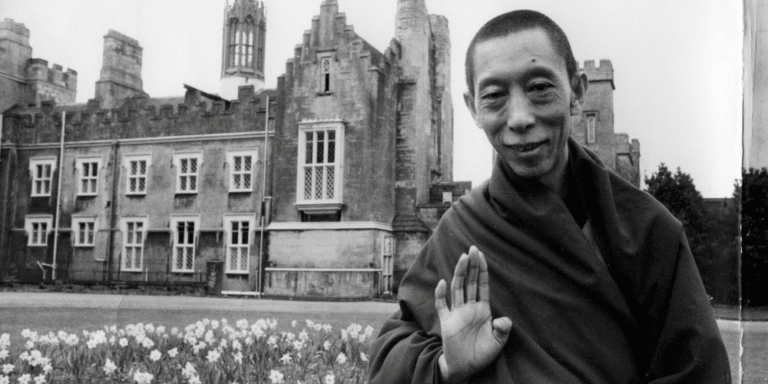
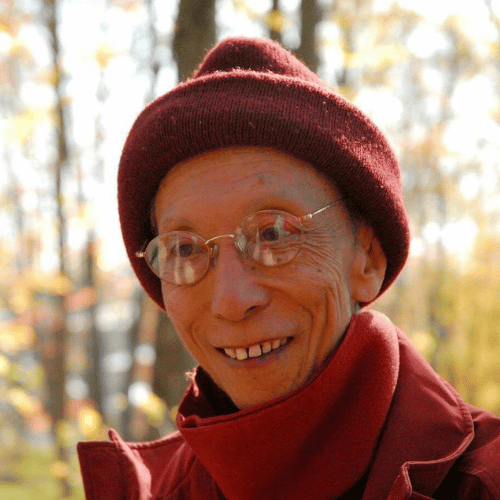
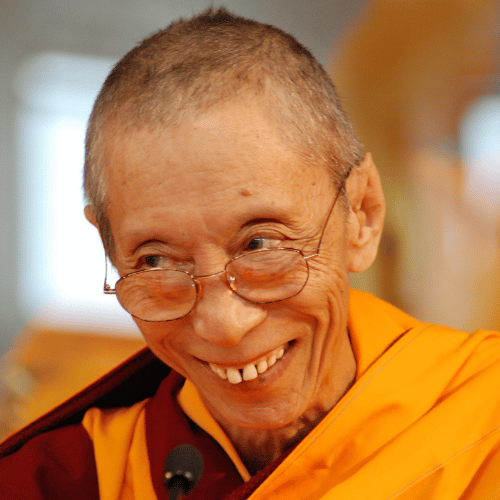
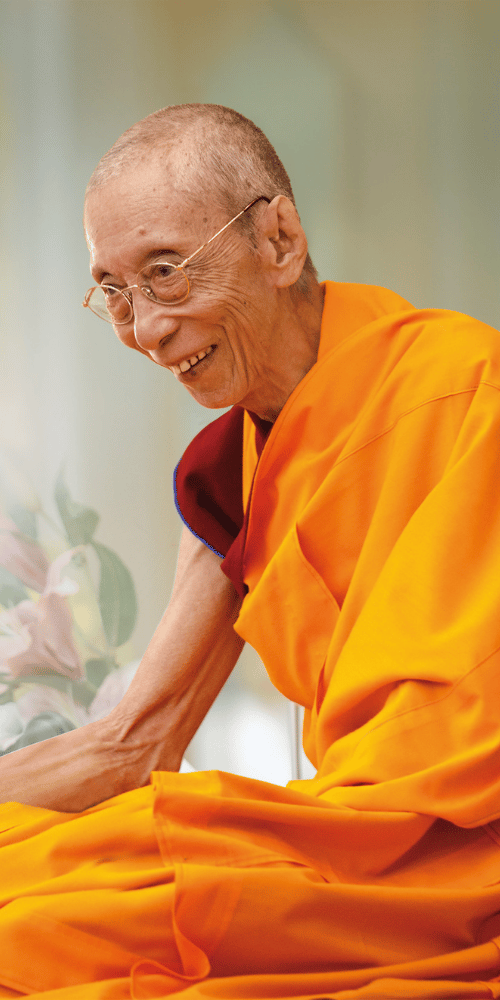
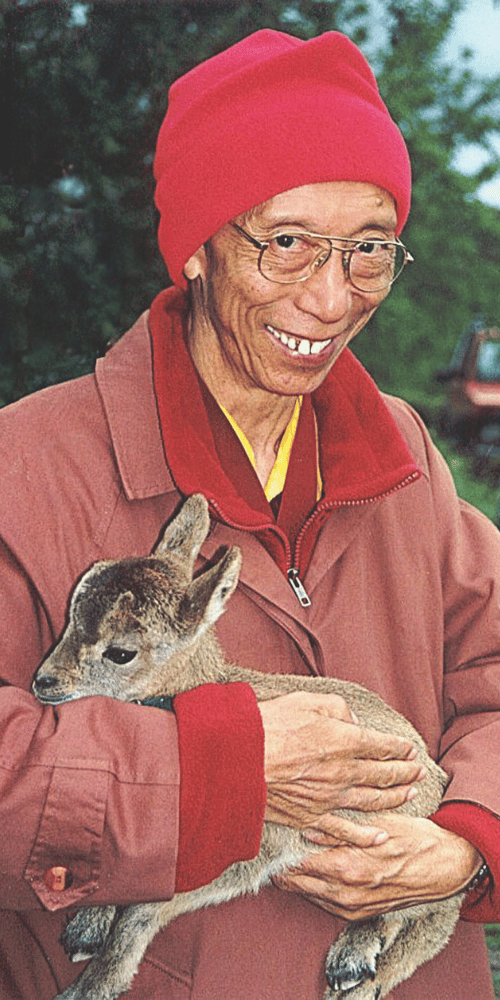
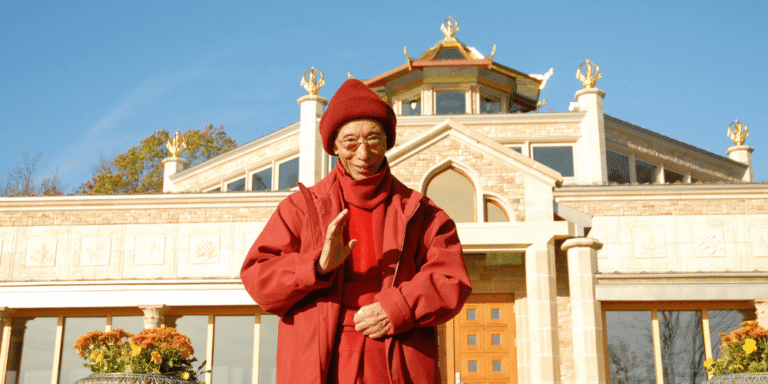
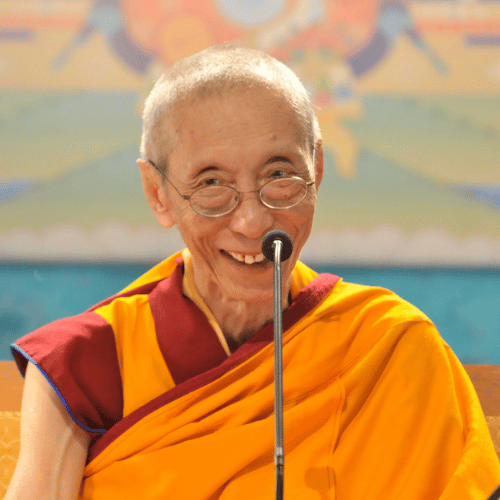
Venerable Geshe Kelsang Gyatso is the Founder of the New Kadampa Tradition and is a fully accomplished meditation master and internationally renowned teacher of Buddhism. Geshe-la, as he is affectionately called by his students, is primarily responsible for the worldwide revival of Kadampa Buddhism in our time.
From the age of eight Geshe-la studied extensively in the great monastic universities of Tibet and earned the title Geshe, which literally means spiritual friend. Under the guidance of Trijang Rinpoche, his Spiritual Guide, he then spent the next eighteen years in meditation retreats in the Himalayas.
Teaching in the West
In 1977 he accepted an invitation to teach at Manjushri Kadampa Meditation Centre in England, where he lived for many years giving teachings and guidance to an ever-growing group of disciples.
Geshe-la continued to teach on Kadampa Buddhism in many countries around the world until his retirement in 2009, and has published a series of remarkable books on Buddhist thought and meditation. Right up until his death, he continued to work tirelessly for the benefit of others.
During the course of his remarkable life, he established three unique study programmes and over 200 meditation centres around the world, trained qualified teachers and a flourishing ordained community, and created a project to build Buddhist temples in every major city in the world.
Teaching from example
In his teachings, Geshe Kelsang emphasised the importance of meditation and how to apply it in daily life, the need to be truly happy, and how to cultivate a good heart to help others, and he demonstrated these qualities perfectly in his own life. This remarkable teacher inspired so many people from so many different countries because he taught by example.
General Spiritual Director
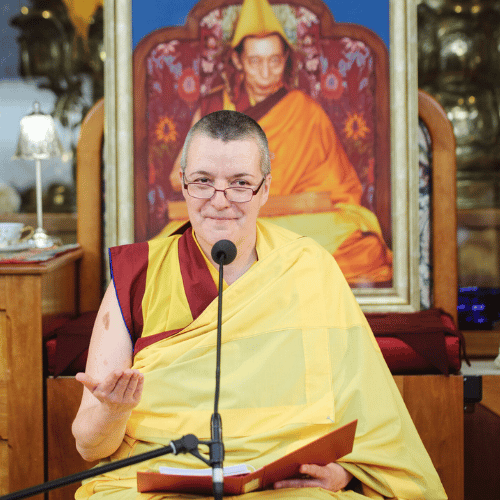
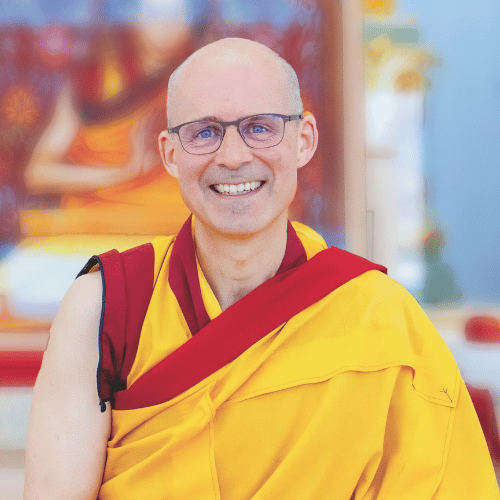
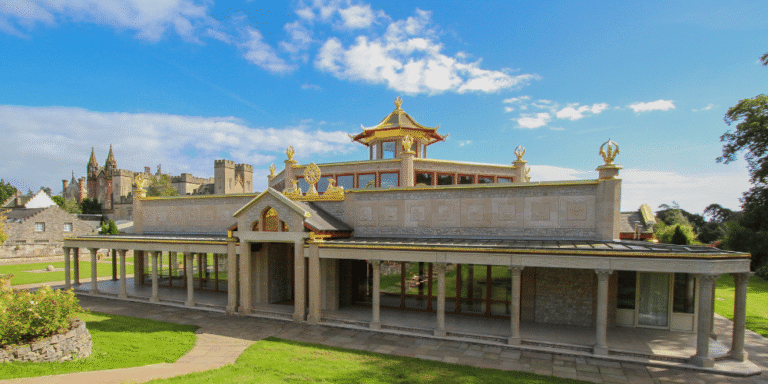
The elected General Spiritual Director of the New Kadampa Tradition is Gen-la Kelsang Dekyong. She lives at the mother centre of the NKT, Manjushri Kadampa Meditation Centre in Cumbria, and teaches at Buddhist festivals and celebrations around the world.
International Festivals
Every year, three International Festivals of teachings, empowerments and meditations brings the Kadampa family together from around the world.
FAQs
The New Kadampa Tradition – International Kadampa Buddhist Union (NKT-IKBU) is a global Buddhist community founded in 1991 by Venerable Geshe Kelsang Gyatso Rinpoche. Its aim is to uphold and make available the authentic teachings of Kadampa Buddhism for the benefit of all.
Rooted in the teachings of Buddha Shakyamuni as passed down from the great Buddhist masters Atisha and Je Tsongkhapa, Geshe Kelsang Gyatso has made the timeless wisdom of Buddha's teachings accessible to people everywhere.
Through its international network of affiliated centres and community-based initiatives, the NKT shares the practical benefits of these teachings with people of all backgrounds and walks of life.
The New Kadampa Tradition is an independent Buddhist tradition with no political affiliations. Legally registered as a non-profit charitable organisation in England under the name New Kadampa Tradition – International Kadampa Buddhist Union (NKT-IKBU).
The NKT main office is located at Manjushri Kadampa Meditation Center in Ulverston, UK, which is the Mother Center of the New Kadampa Tradition – International Kadampa Buddhist Union.
Kadampa Buddhism is a tradition of Buddhist practice that originated in 11th-century Tibet with the great Indian Buddhist master Atisha. He presented the teachings of Buddha in a clear, step-by-step format known as Lamrim, or “Stages of the Path to Enlightenment,” making the spiritual path accessible and practical for all.
In the 14th century, these teachings were further clarified by the fully realized scholar and meditation master Je Tsongkhapa, who emphasized the union of wisdom and compassion, Sutra and Tantra.
Followers of this tradition up to the time of Je Tsongkhapa are known as “Old Kadampas”, and those after the time of Je Tsongkhapa are known as “New Kadampas”. “Ka” is Tibetan for ‘word’ and refers to all Buddha’s teachings, “dam” refers to Atisha’s special Lamrim instructions and “pa” refers to a follower of Kadampa Buddhism who integrates all the teachings of Buddha they know into their Lamrim practice.
Today, the New Kadampa Tradition follows this lineage, making the essential practices of Kadampa Buddhism available to people around the world through Geshe Kelsang Gyatso Rinpoche's beneficial activities.
You can read more about the life and teachings of Je Tsongkhapa in the book, Heart Jewel and more about the life and teachings of Atisha in the book Joyful Path of Good Fortune.
In the New Kadampa Tradition (NKT), the key purpose of Kadampa teachings is to help people to develop wisdom and compassion in order to transform their minds and their lives.
By applying the teachings of Buddha in everyday situations, anyone—regardless of background—can learn how to reduce suffering, develop inner peace, and cultivate positive qualities like love, patience, and wisdom. This practical integration of Dharma with daily life is known as the union of Kadam Dharma and daily life, and it lies at the heart of the NKT’s approach.
Ultimately, the purpose is to enable everyone to make progress on the path to liberation and enlightenment, while also finding deeper happiness and meaning right now, in the midst of modern life.
Kadampa Buddhists combine study, meditation and work. They place a lot of importance on the study of Buddhist texts, the practice of meditation, and working in practical ways to benefit others. The way practitioners try to benefit others is by showing how to put the teachings into practice to improve their lives, and working to make Buddhist teachings widely accessible. This focus on study, meditation and work is intended to deepen practitioners' understanding, internalization, and practical application of Buddhist principles.
Meditation practices taught in the New Kadampa Tradition (NKT) are practical, accessible, and deeply transformative. Just doing ten or fifteen minutes of breathing meditation each day will:
- Enable you to experience peace and contentment
- Give you greater control over your mind
- Reduce stress & help you to cope
- Develop a calm & spacious mind
- Improve your relationships
By engaging in the deeper Lamrim meditations such as in The New Meditation Handbook, we learn to recognize and reduce delusions like anger, attachment, and jealousy–the true sources of suffering. At the same time, we focus on cultivating positive minds, such as love, compassion, patience, and wisdom. Through regular practice, we create the causes of lasting happiness and make steady progress toward liberation and enlightenment.